
Three Men in a War
The Three Men in a War Series — Battles, Boudoirs & Bedsports
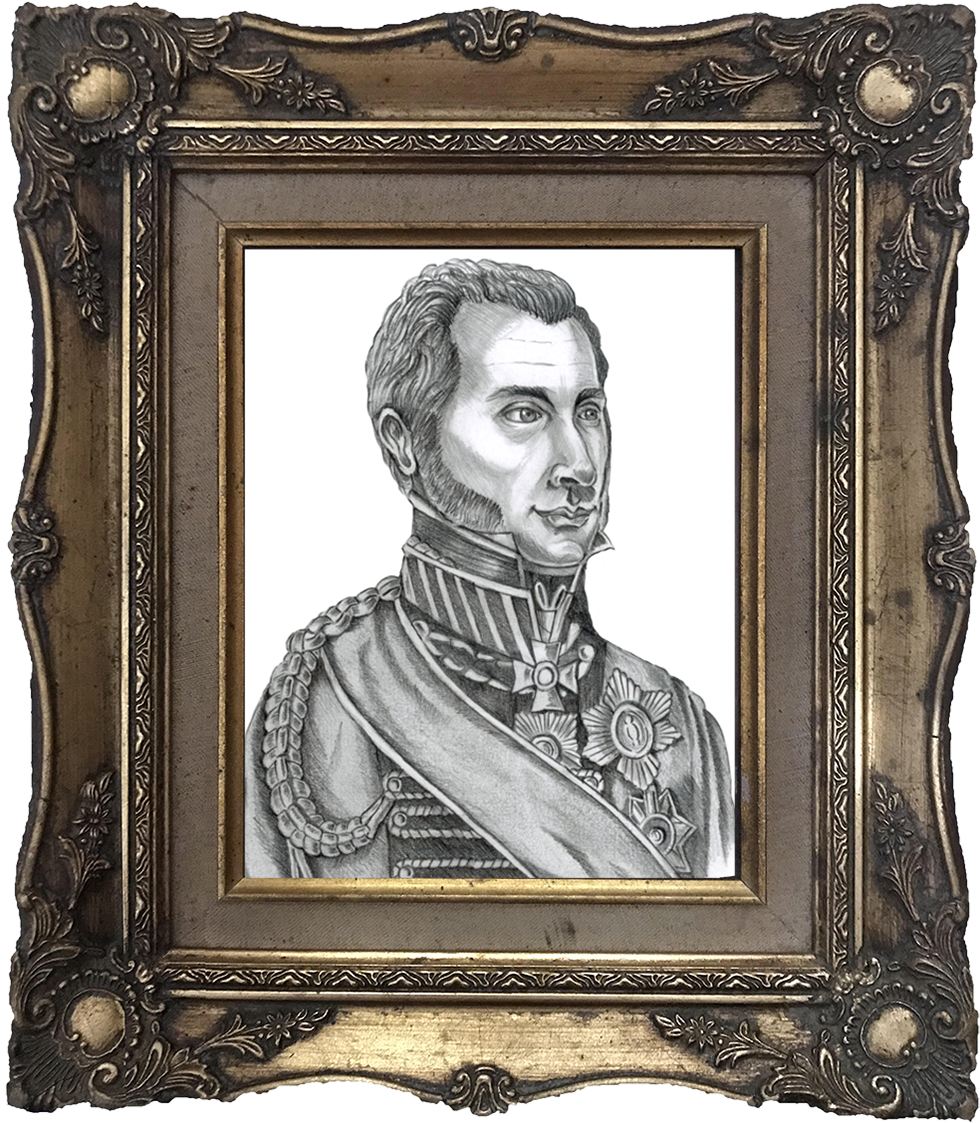
Sir Robert Wilson

Michael Bruce

Marshal Ney
Trace the lives of Michel Ney, Robert Wilson and Michael Bruce on a map of Europe during the Napoleonic wars, as far west as Lisbon and as far east as Moscow, and you would see them meet up by chance time and time again. Though extraordinarily, I discovered that the only time they were ever all in the same room was at a soirée in Paris, July 1814, in the brief time of peace between Napoleon’s first abdication and his return from Elba. The scene is recreated towards the end of Fleeting Glory.
Marshal Michel Ney is Napoleon’s famous “Bravest of the Brave”. With a secret that could destroy the Emperor’s infallible reputation: he is one of the very few to know of Napoleon’s seizures. Unhappily married, but his mistress, Ida, follows him around from battle to battle, bed to bed. The books tell the heights and depths of his illustrious career. From plaudits to disgrace. The last Frenchman out of Russia in 1812.
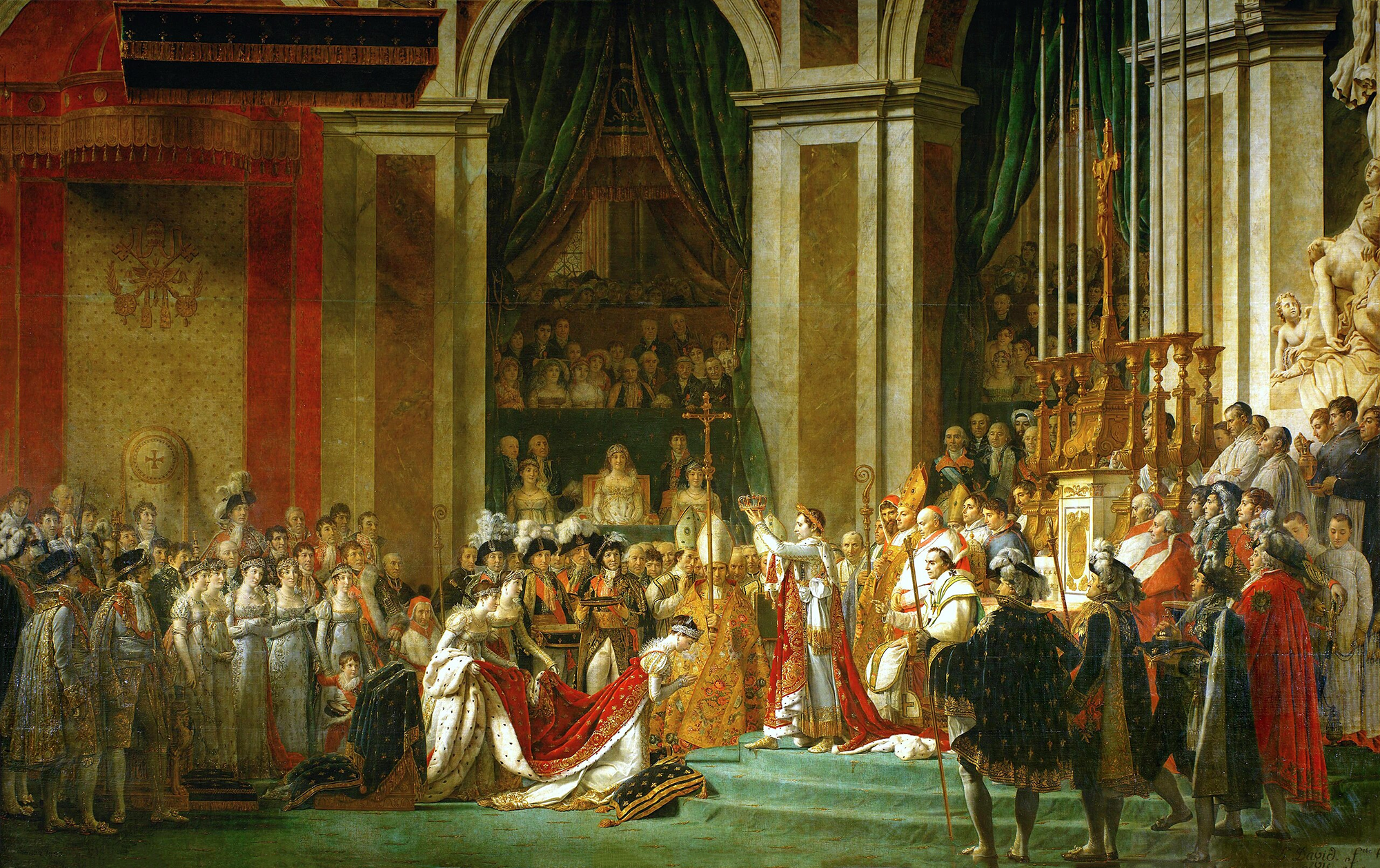
Coronation of Emperor Napoleon December 1804
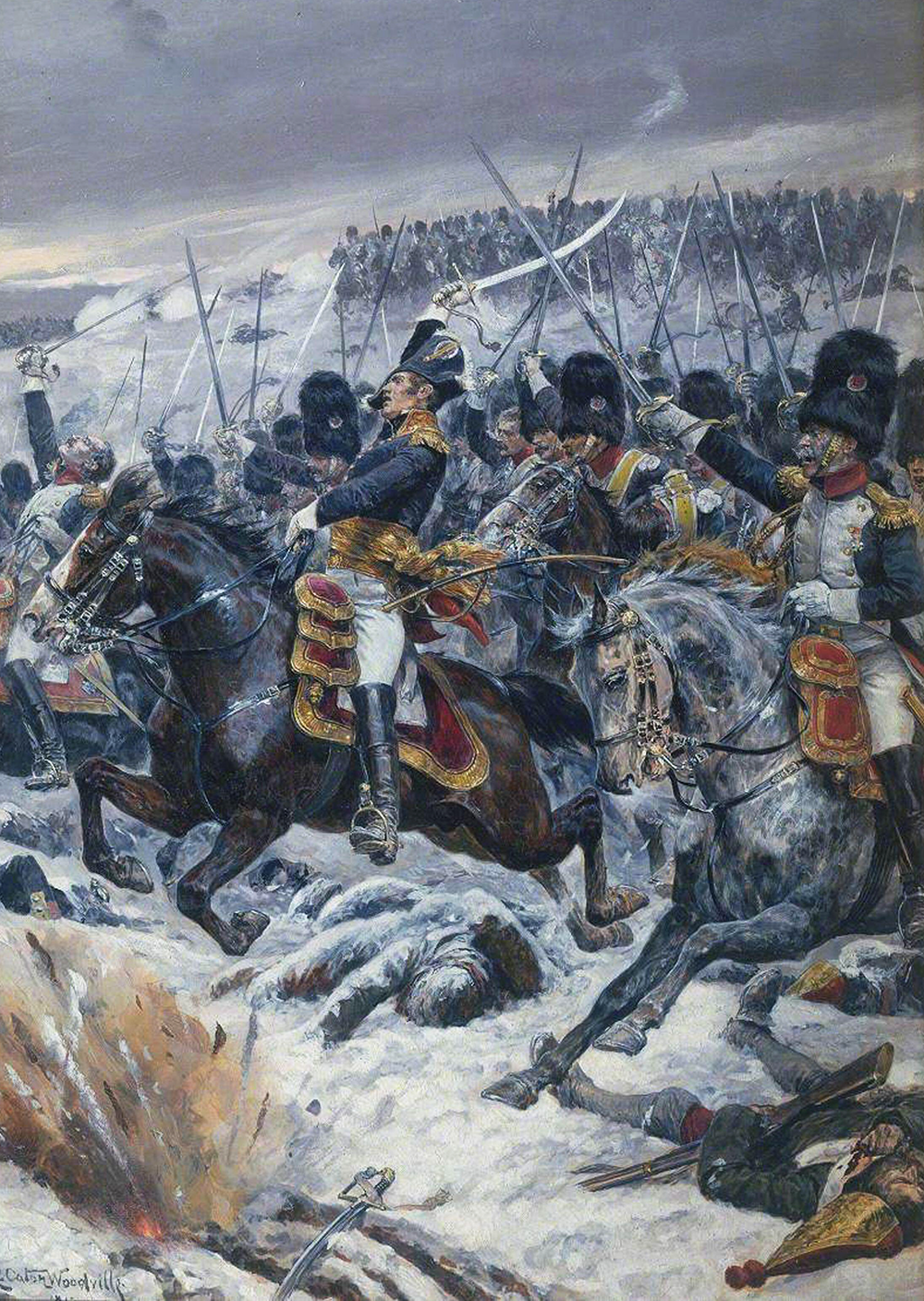
Ney during the disastrous Retreat from Russia
Sir Robert Wilson is an English General and diplomat, ignored and impoverished at home but well respected on mainland Europe, where he was awarded Austria’s most prized medal at the age of sixteen. Friends with Czar Alexander of Russia, Queen Louise of Prussia, Hetman Platov of the Cossacks, and Emperor Francis of Austria. Now in his thirties, he fights the French from the sunbaked plains and mountains of Spain to the frozen wastes of Russia, alongside the Cossacks. He is determined to kill Napoleon and nearly succeeds twice.
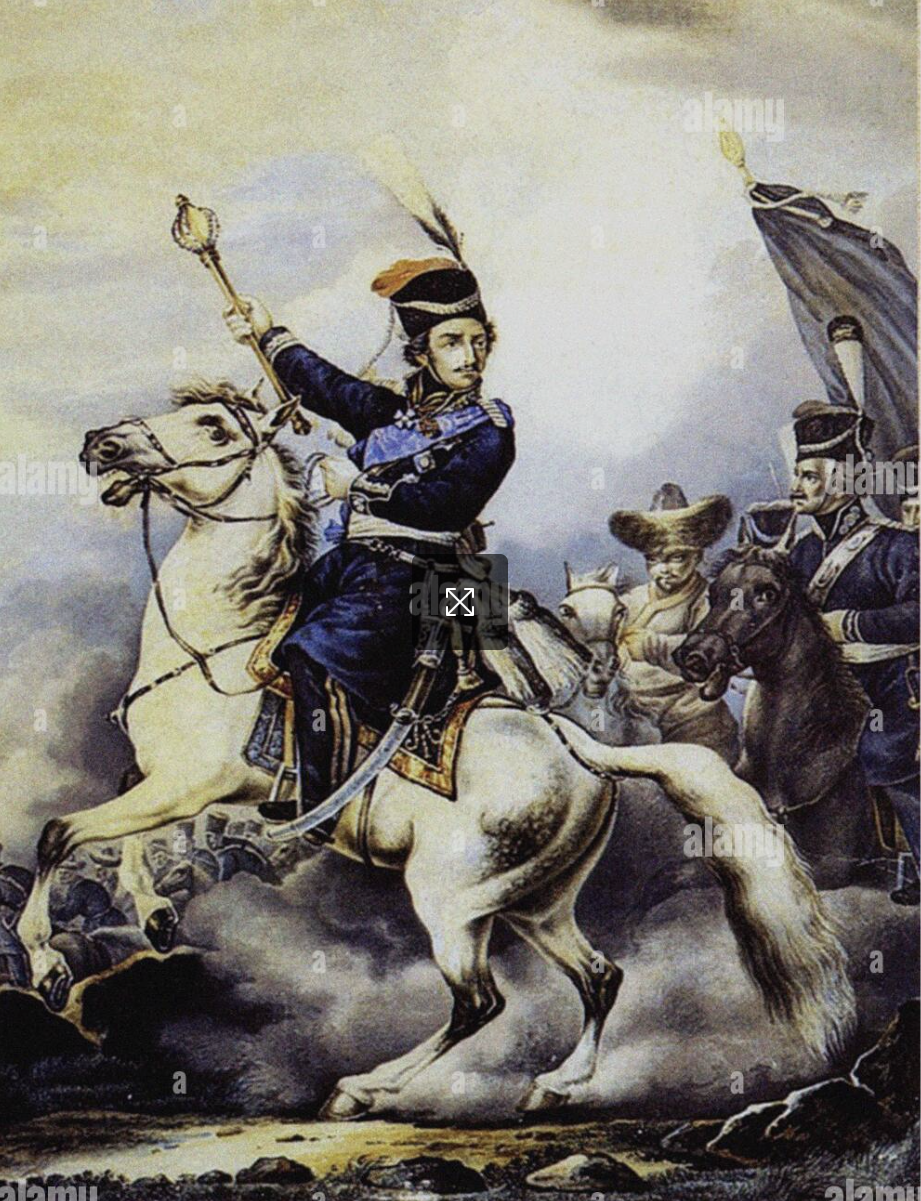
Hetman Platov of the Cossacks
Michael Bruce is a young, overly handsome, hedonistic Etonian. Determined to pursue his dream of making passionate conquests the length and breadth of Europe. But finding to his chagrin, his travels are interrupted by Napoleon wherever he goes. His two great loves are Lady Hester Stanhope, a truly eccentric paramour and Aglaé Ney, renowned member of Napoleon’s Court.
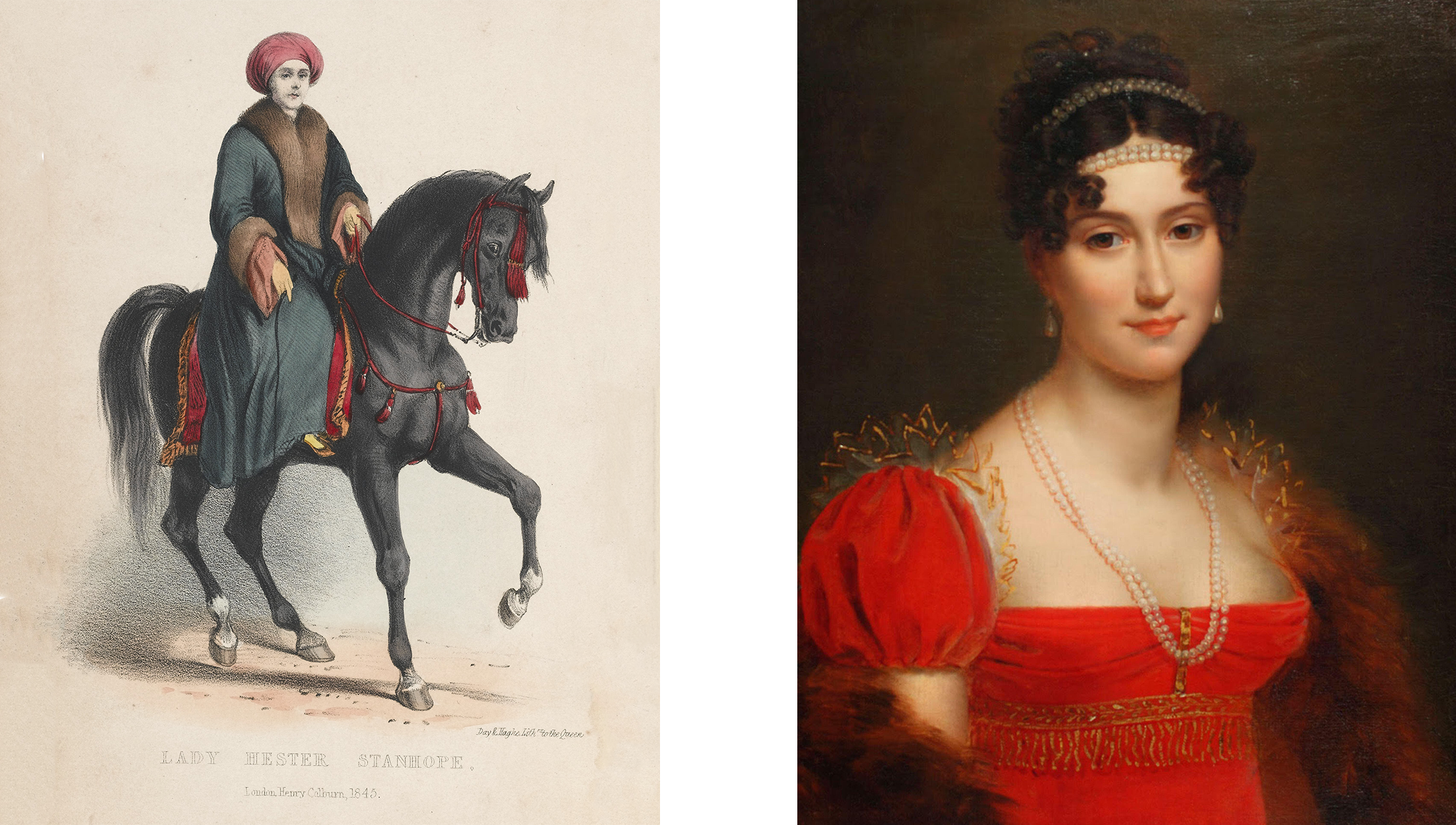
Lady Hester Stanhope and Princess Aglaé Ney
Every character in the books lived—including, most unusually, the servants. Unlike so many historical novelists [cough] Sharpe [cough] I have made these as accurate as they can be. Even the love affairs. Especially the love affairs.
It was a fast-moving time in England too. The dawn of steam, akin to our computer age. Children of the soldiers who fought at Waterloo travelled by train. The steel nib replaced the quill pen. Just in time for Jane Austen and indeed Wilson!
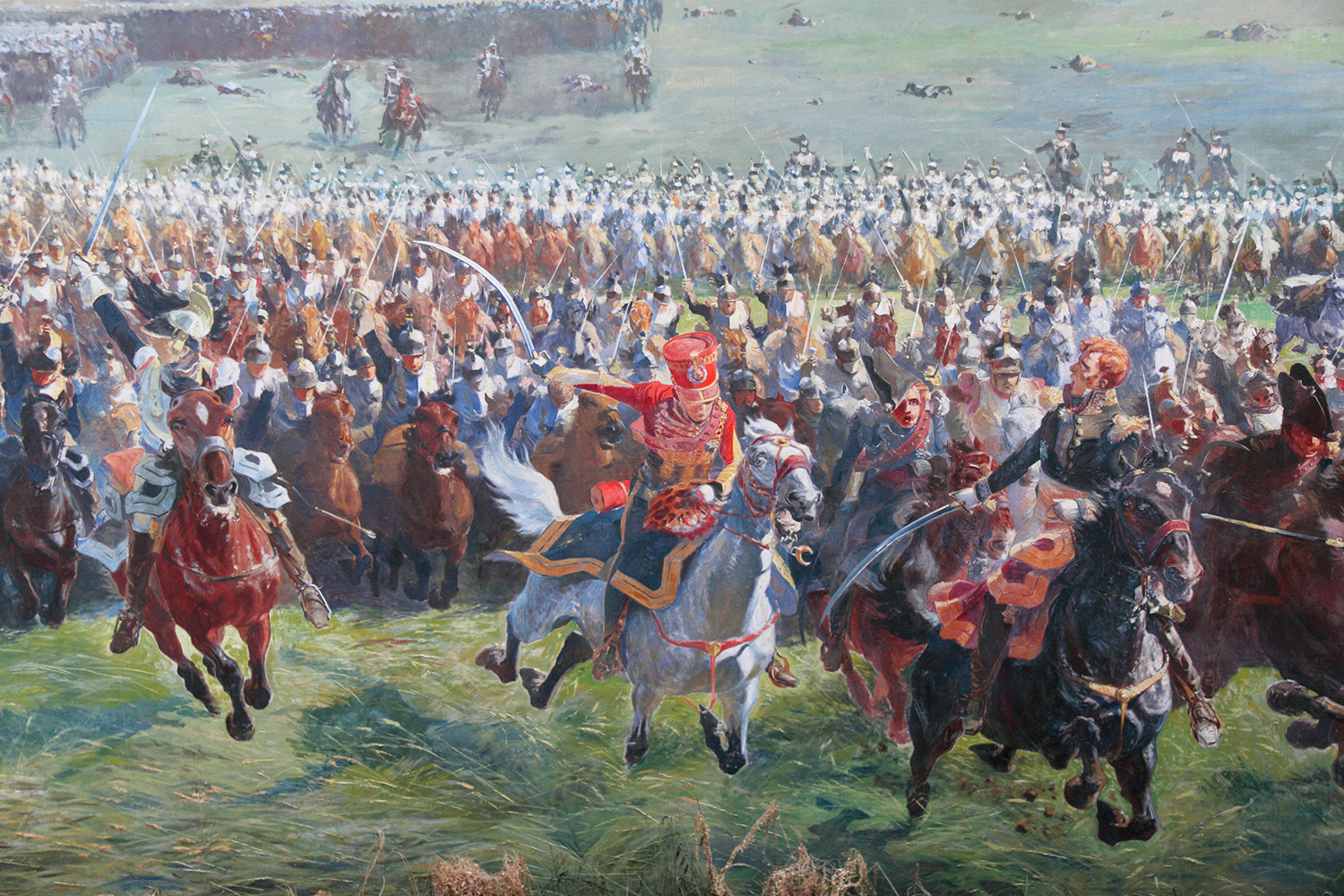
Waterloo: Ney leads final charge
Everyone has heard of Waterloo, but not everyone realises it was the end of some twenty years of almost non-stop war. (World War 2 only lasted six years.) Although the small English army went to the Peninsula, the other European nations fighting Napoleon, in ever-shifting alliances, were bankrolled in the most part by English gold. The money was raised by a new ‘income tax’, so we have to blame Napoleon for that! Jubilation at the victory was quite understandable; the nation was on its knees financially. The fear of invasion was ever-present; Napoleon was even more of a threat than Hitler in 1940.
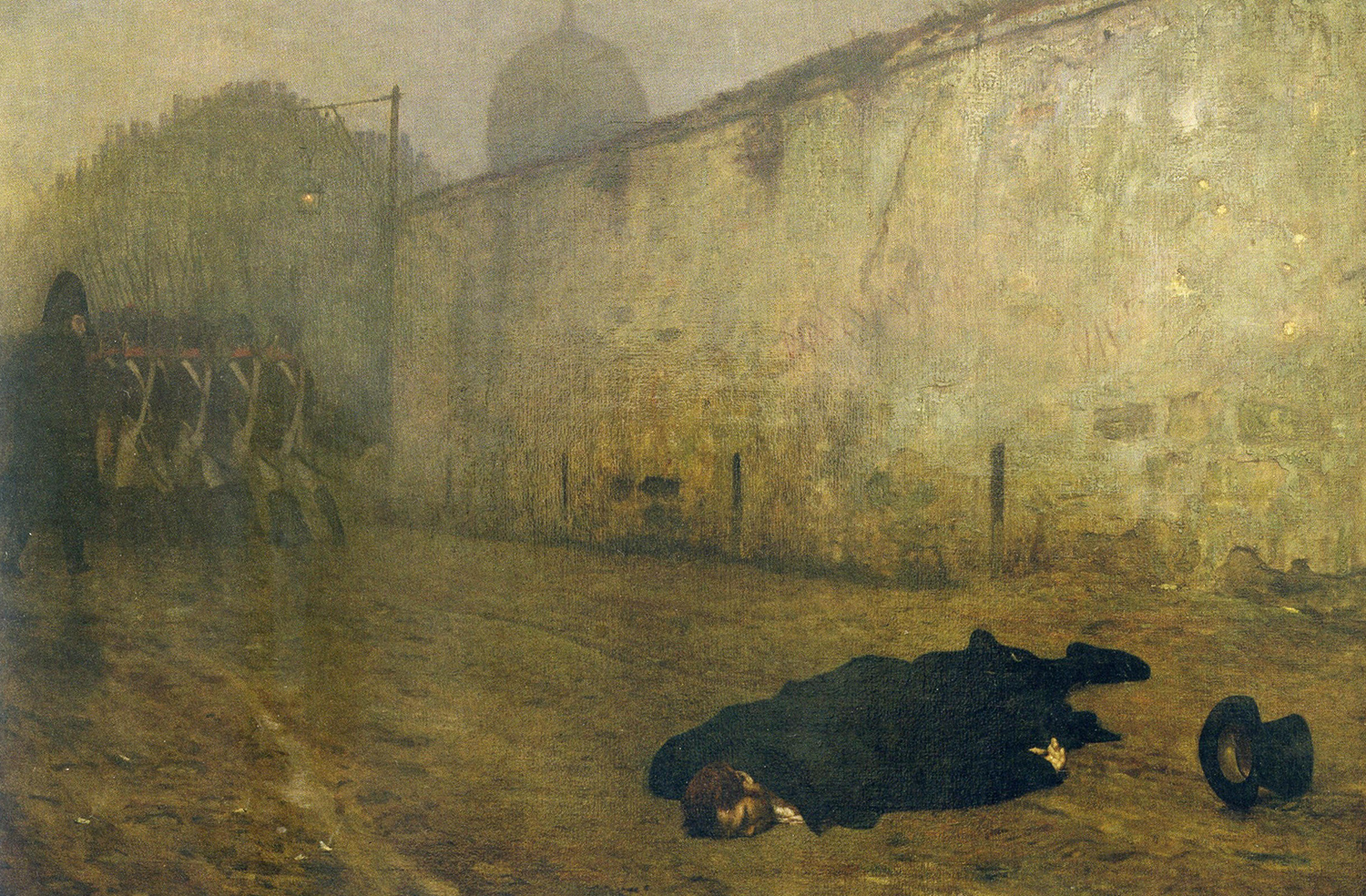
The inevitable end: Ney’s execution
Surprisingly, Napoleonic history is no longer taught in schools despite having enough gory battles, immoral court life and elegant fashions to captivate just about everyone’s interests. I hope yours too!
Click the button below for information on Glory Beckons and Fleeting Glory